


Digital signage is a powerful tool for communication and engagement. From displaying important announcements to showcasing achievements, it’s a valuable asset that can be used across many types of organisations. From helping to enhance messaging and outreach, reduce costs, and boost operational efficiency. So where should the screens be located for maximum impact?
As the effectiveness of digital signage relies heavily on strategic placement, we’ll break down the best screen locations, as well as considerations for multi-site deployments.
Why should digital signage be installed?
One of the main benefits is its ability to reach a broader audience. Therefore, screens can be positioned in high traffic areas such as hallways, staffrooms and reception areas, to ensure optimum visibility. This widespread reach means that important messages can be seen by everyone. Key messages are constantly reinforced and become part of your community’s daily routine.
Maximising impact with screens at the entrance
The entrance serves as the first point of contact for everyone. Placing digital signage screens in these high traffic areas means that important announcements and welcome messages catch the attention of everyone entering the building. Screens mounted at eye level to provide the best visibility and allow for easy absorption of information. Greet visitors with a friendly introduction and wayfinding content, this location is also great to showcase successes or upcoming events.
Hallways and corridors
These are the natural pathways that people use multiple times a day. Placing digital signage screens along these routes ensures repeated exposure to key messages, such as safety protocols, internal initiatives, and motivational content. Interactive content can encourage participation by featuring surveys, polls, and training snippets.
Mounting screens outside department entries or meeting rooms offers a dynamic way to share schedules, project milestones, and professional content. By incorporating digital signage into corridors, you can improve communication between teams whilst promoting department specific content, and upcoming dates relevant to that area.

Staff rooms, canteens and social spaces
Staff rooms and the canteen are bustling hubs of activity during lunch and break times. Placing screens here ensures optimal engagement and impact, these locations offer an opportunity to showcase daily menus, display nutritional and allergen information, important news, meeting schedules, events, and achievements.
By engaging your audience during their downtime, you can reinforce important messages and create a sense of community. Placing digital signage screens in these areas facilitates internal communication and employee recognition. Use screens to highlight team activities, employee success stories, or motivational messages. You can even use our Smart Content to tailor content to specific departments or teams, such as Inspirational Quotes, Celebrations, Awards and Shout Outs.

Quiet zones and focused work areas
Libraries and study areas are conducive to deep work and research. Integrating digital signage screens into these spaces allows you to promote professional development resources and knowledge bases. Rotating content can cater to different departments and interests, so everyone stays informed.

Consideration for workspaces
While some may advocate for screens in meeting rooms, carefully weigh the potential benefits against distractions. Implement them strategically, perhaps for collaborative tools or displaying essential information.
Outdoor areas
Exterior walls offer additional opportunities for installing digital signage. Outdoor spaces such as courtyards, transportation hubs and sports facilities present unique opportunities for digital signage placement. Weather resistant screens can display outdoor event schedules, site maps, sustainability initiatives, and environmental awareness campaigns. By extending digital signage beyond indoor spaces, you can boost communication throughout the entire site.
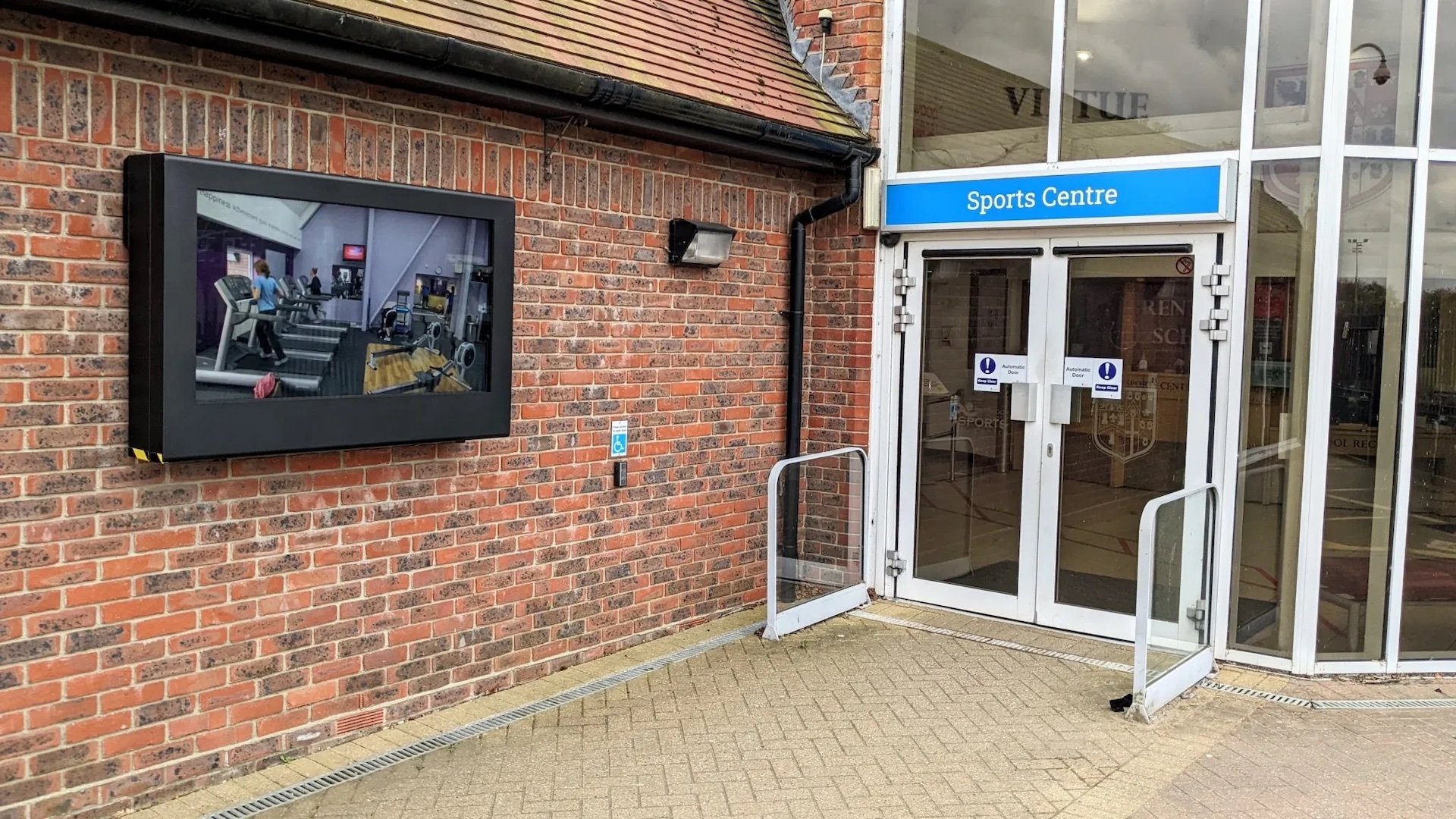
Corporate events and wellness competitions are integral parts of organisational culture. Digital signage screens in gyms and sports facilities can display event schedules, leaderboard updates, and wellness messages. Live streaming capabilities give spectators the opportunity to watch events in real-time.
For locations with travel services, digital signage can provide timely information on schedules, route changes, and important announcements during commute hours. This helps people save time by providing the practical information they need, where they need it. Use these screens to welcome visitors with company news, safety reminders, or initiatives.
Across multiple sites
Optimising your screen placement across a group of sites needs careful consideration of factors, such as visibility, audience engagement, and content relevance. Determining where works best can significantly enhance communication, engagement, and overall user experience.
Multi-Site networks
In the case of a multi campus network or a group of offices, centralised digital signage management becomes essential. By giving administrators the tools to remotely update content, schedule playlists, and monitor screen performance across multiple locations, you’ll benefit from consistent branding and messaging. By synchronising content across all screens within the network, you can maintain a unified communication strategy while tailoring messages to the unique needs of each site.
For organisations with multiple campuses, a centralised content management system allows for consistency while enabling some location specific tweaks. Here’s how to optimise screen placement across sites:
Start by conducting a site audit to identify high traffic zones and communication objectives unique to each location. Establish an evergreen playlist for core company-wide messaging to ensure brand consistency, while creating dedicated playlists for local announcements, such as site specific event schedules or safety notices. Empower local team members to manage their own content through delegated access, making sure that information remains relevant and up-to-date for those who are there every day.

Commercial areas and retail spaces
In commercial settings like shops and cafes, digital signage provides a vibrant alternative for speeding up campaign rollouts, driving engagement with promotions and store initiatives, it’s also very useful for cutting down on print costs. Think about positioning screens near till points, behind counters, or in customer waiting areas. Screens are great for capturing attention where purchasing decisions and interactions happen.
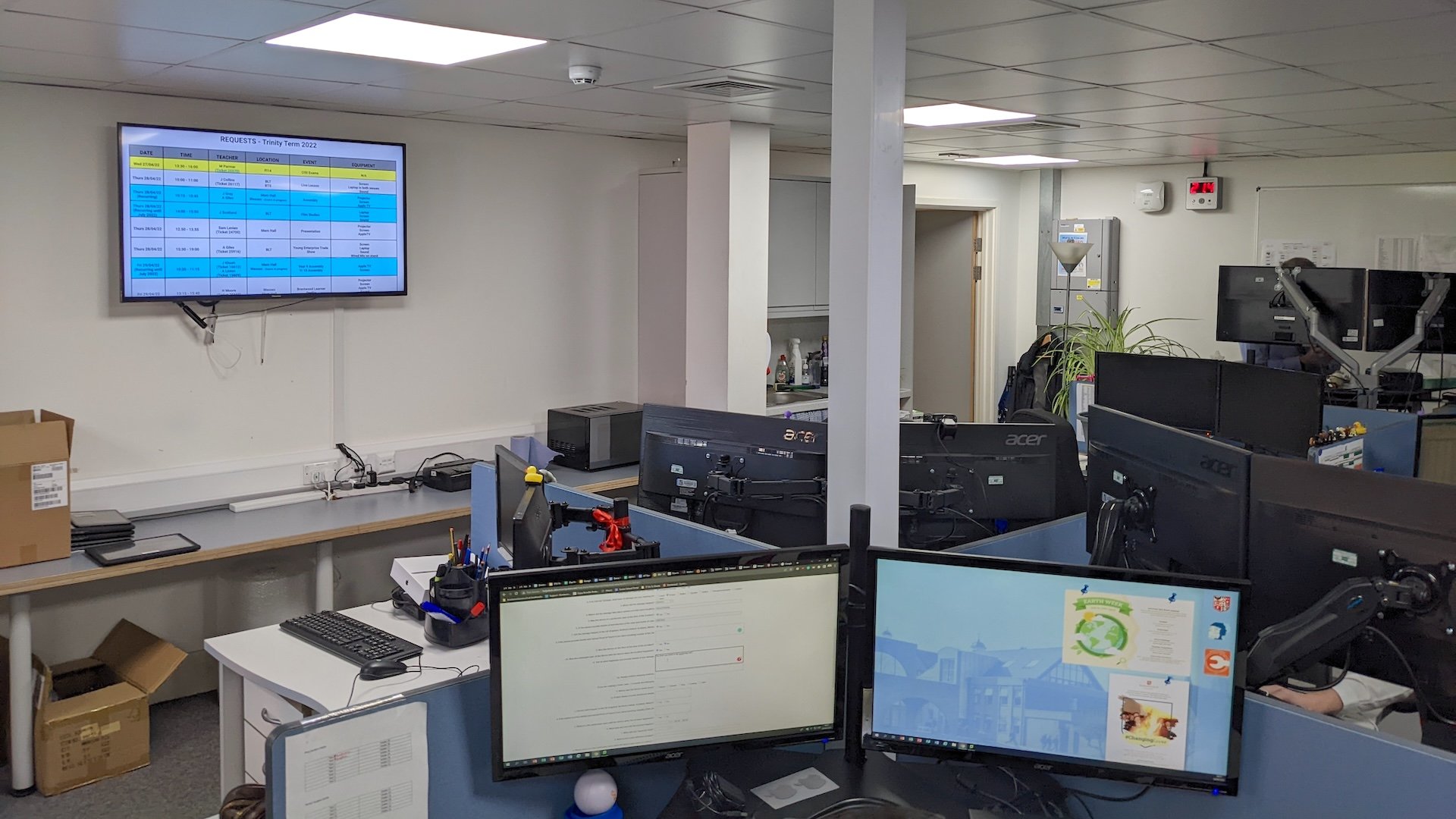
Management offices
Digital signage placed in administrative areas serves as a central hub for circulating vital information to staff members. Whether it’s updates on company policies, staff meetings, or professional development opportunities, these screens ensure that communication is clear, consistent, and easily accessible.
Screen size and visibility
Accessibility is a very important factor when implementing digital signage. Choose screen sizes that are appropriate for the space and are clearly visible from intended viewing distances. Consider mounting heights and content clarity for users with sight and accessible needs.
As well as physical placement, content design, colour combinations and layout play a crucial role in readability. Choose high contrast text, large fonts, and a minimal text to visual ratio so that information can be quickly digested from a distance. When using animated or scrolling text, make sure that enough display time is allowed so that all viewers have time to read the full message. Adopting these design choices helps fulfill accessibility standards while messages remain impactful, even for individuals walking past screens quickly in busy areas.
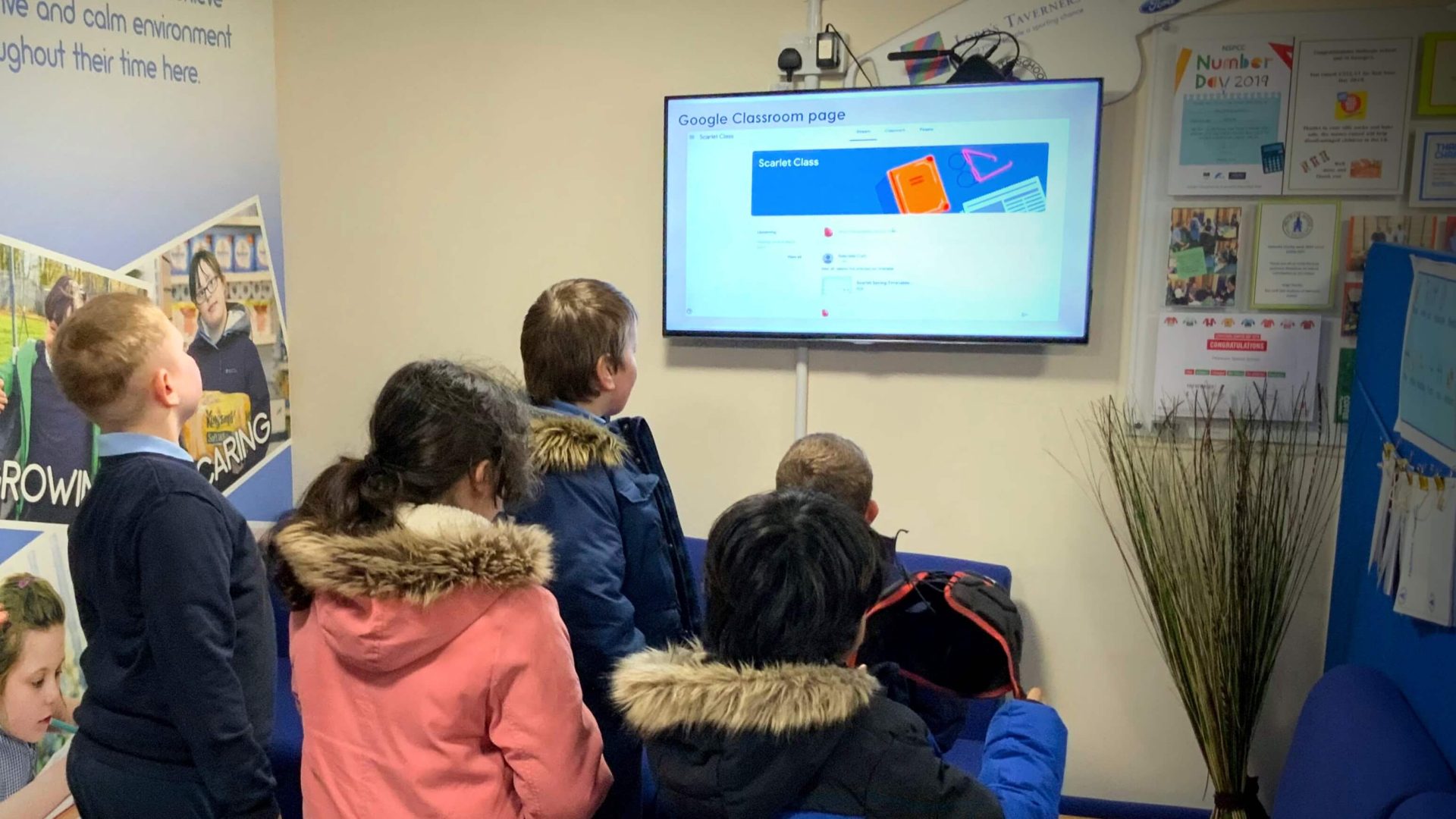
By strategically placing your digital signage screens, you can create a more informed and connected environment that maximises the impact on staff and visitors. Remember, the best locations depend on your layout, target audience, and communication goals.
Not sure where to install your signage?
Get in touch with us so we can help you find the best locations for your screens. If you’re new to TrilbyTV, you can try out our platform for free with a 30 day trial or book a demo with us so we can show you how you can make the most of your digital signage.